
20.11.2026
EU Machinery Regulation 2027: What’s Changing for Your HMI
The new EU Machinery Regulation takes effect on January 20, 2027. It places greater emphasis on the user interface. Ensuring that a user interface is understandable, prevents operating errors, and does not overload operators is already part of the safety requirements for the CE marking. New requirements regarding software, updates, AI, and autonomous machines are being added – and this is precisely where the HMI plays a key role. We’ll show you what’s changing for HMI providers, what documentation is required, and where you should start now.
What applies from January 2027

The EU Machinery Regulation (officially Regulation (EU) 2023/1230) entered into force in 2023 but will only apply from January 20, 2027. It replaces the Machinery Directive 2006/42/EC. Because it is a regulation and not a directive, it is directly applicable in all EU member states.
The most significant new aspect is that the regulation reflects the digital reality in mechanical engineering: safety software, AI, and machines with self-evolving behavior, autonomous mobile machines, cybersecurity, and digital operating instructions.
Anyone who places machinery on the market in the EU on or after the effective date is required to take action, even if the machinery was developed earlier. Anyone who makes significant changes to a machine is considered a manufacturer. This also indirectly affects anyone who supplies HMIs, control software, or updates, as their work contributes to the machine’s compliance.
At a glance
- Date of application: January 20, 2027
- Replaces: Machinery Directive 2006/42/EC
- Applies to: Manufacturers, importers, distributors, and anyone who substantially modifies machinery
- UX-related requirements: Annex III (Health and Safety Requirements) requires consideration of ergonomics and protection against operator errors and psychological stress caused by interaction; it also mandates transparency and predictability in self-learning systems through communication of intended behavior and the underlying reasons (Explainable AI), as well as the clear communication of significant modifications that affect safety functions.
Your roadmap for the EU Machinery Regulation
These five steps will help you approach the topic in a structured way:
Why UX design in mechanical engineering is more than just comfort
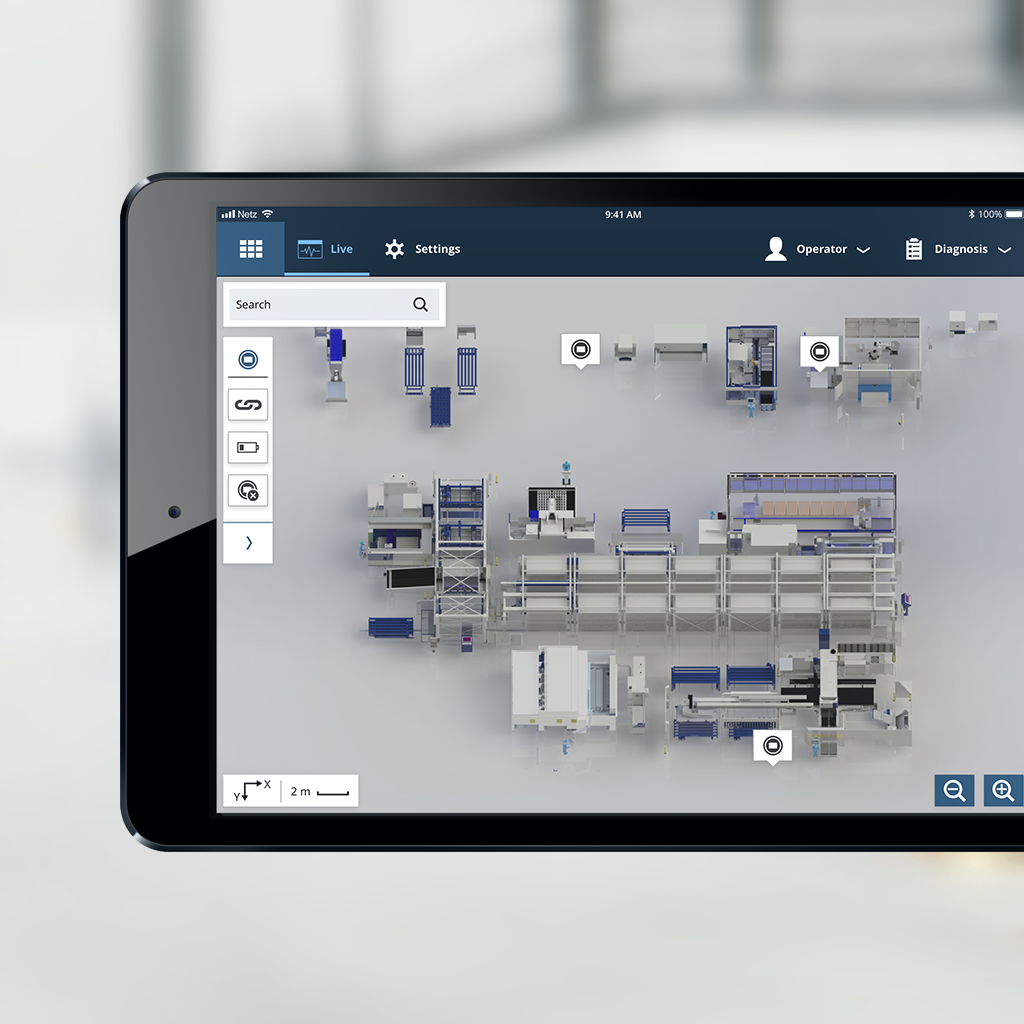
The Machinery Regulation codifies as a requirement what good HMI design has long achieved. The user interface determines whether a machine is used profitably or merely operated in a makeshift manner. To achieve this, it must take the actual context of use seriously: operating while wearing gloves, noise, fluctuating lighting, time pressure, and a wide range of operator skill levels.
This is where user research comes in: Context analyses and usability tests reveal where user errors occur and, at the same time, provide the evidence you need for documentation. A well-thought-out design system ensures that safety logic, colors, and messages remain consistent across entire product families, as with our design system for TRUMPF. And our insight “Bad UX: A cost trap” shows that poor usability is expensive even without regulatory requirements.
UID has been a member of the VDMA since 2004 and contributes the users’ perspective to the discussion on the digital future of mechanical engineering, including through the Software and Digitalization Division and seminars at the VDMA Academy. You can read more about this on our page about the VDMA and UID.
Questions and answers about UX in mechanical engineering
Are you unsure how your HMI will perform in an assessment? With an Expert Review, our UX experts will systematically evaluate your interface and provide you with documented results.
Live Sessions on the Machinery Regulation in the works
In our free UID Live Sessions, we regularly cover current topics related to digital product development. Live Sessions on the Machinery Regulation are also already in the works. To make sure you don’t miss any events, sign up for the UID newsletter: You’ll be the first to know about new dates.
Your contact person
Carina Völpel has been working as a Senior User Experience Consultant at UID for over 15 years. She analyzes user requirements, designs and evaluates interaction concepts for interactive products, and primarily advises clients from industry and the enterprise sector on UX strategy. In her workshops, she acts as a facilitator, combining agile methods such as Design Thinking and LEGO® SERIOUS PLAY® to embed user-centered thinking in teams and organizations.